.svg)
Safe & Advanced Cardiac Catheterisation
A minimally invasive heart procedure to diagnose and treat blocked arteries, valve problems, and congenital heart conditions with quick recovery and lasting results.




.svg)

What is Cardiac Catheterisation?
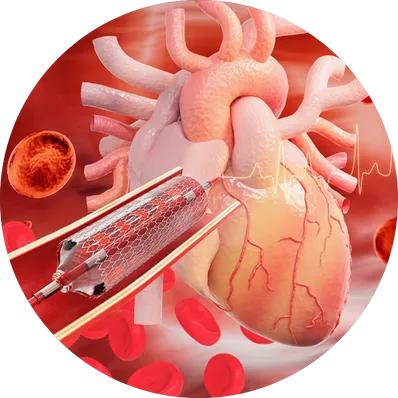
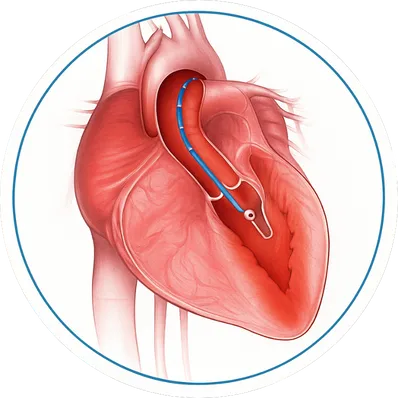
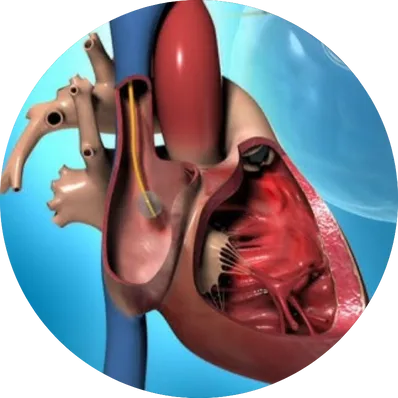
Cardiac catheterisation is a minimally invasive heart procedure where a thin tube (catheter) is inserted through a blood vessel in the arm or groin and guided to the heart. It allows doctors to diagnose heart conditions using angiography (imaging with contrast dye) and perform treatments like angioplasty, stenting, and valvuloplasty. It is commonly used for patients with chest pain, heart attacks, or valve problems and plays a vital role in modern heart care.

Symptoms

%20%E2%80%93%20chest%20pain%2C%20angina%2C%20or%20suspected%20blockages.webp)

Causes / Conditions Treated:Osteoporosis




Types of Cardiac Catheterisation
Diagnosis

.png)


Cardiac Catheterisation Treatment
A dye is injected through the catheter to visualize the heart arteries on X-ray. Thishelps identify blockages, narrowing, or abnormalities in the heart’s blood vessels. Itguides further treatment decisions
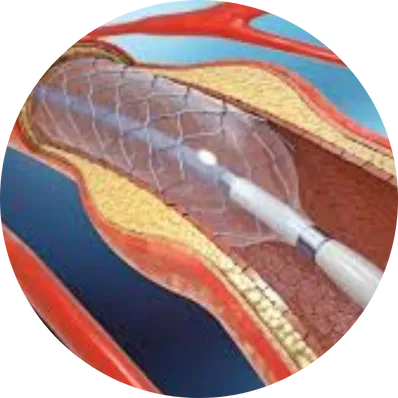
If a blockage is found, a small balloon is inserted into the artery and inflated to openthe narrowed area. This improves blood flow and relieves symptoms like chest painand breathlessness.
Lorem ipsum dolor sit amet, consectetur adipiscing elit. Suspendisse varius enim in eros elementum tristique. Duis cursus, mi quis viverra ornare, eros dolor interdum nulla, ut commodo diam libero vitae erat. Aenean faucibus nibh et justo cursus id rutrum lorem imperdiet. Nunc ut sem vitae risus tristique posuere.
The catheter helps measure blood pressure and oxygen levels inside differentchambers of the heart. This is helpful for diagnosing heart failure, valve disorders, andcongenital heart defects.
Catheter-based techniques can be used to evaluate heart valve function. In some cases,minimally invasive valve repair or balloon valvuloplasty can be performed to treatnarrowed heart valves.
During catheterisation, doctors can perform electrophysiology studies or insertdevices to treat abnormal heart rhythms. This helps restore proper electrical activity ofthe heart.
The procedure is done through small punctures in the wrist or groin, with minimaldiscomfort, less recovery time, and quicker discharge—often the same day or nextday.
Why You Should Not Delay
Delaying cardiac catheterisation can increase the risk of severe heart damage, complications from untreated blockages, or sudden cardiac arrest. Early intervention ensures timely treatment and improves survival.

Why Us?
With Healic you get Trustworthy Care, Affordable Prices and Parivaar Jaisi Dekhbhal.
6 Hospitals; 4 Under Construction
Patients Served Last Year
Expert Doctors & Surgeons
Expert Care Team

Real Patient Stories
Frequently Asked Questions
Cardiac catheterisation is a minimally invasive procedure where a thin tube is guided to the heart to diagnose or treat heart problems. It helps detect blockages, valve issues, and heart function abnormalities.
Healic cardiologists recommend it for suspected heart blockages, chest pain, heart attacks, valve disease, congenital defects, or for planning treatments like bypass surgery.
r
A catheter is inserted through the wrist or groin and guided to the heart under X-ray imaging. Dye is injected to view the arteries (angiography), and treatments like angioplasty or stent placement can be done if needed.
Most patients return home the same day and resume normal activities within 1–2 days, depending on whether radial (wrist) or femoral (groin) access was used.
Risks are low but may include bleeding at the insertion site, allergic reaction to dye, vessel injury, arrhythmias, or very rarely, heart attack or stroke. Healic ensures expert, safe, image-guided care
Don’t worry, our expert team will guide you through diagnosis, treatment options, and recovery. Share your question and we’ll respond quickly.
Get Expert Advice
.svg)
.svg)
.svg)
.svg)