.svg)
Cardiac Palpitations – Understanding Irregular Heartbeats
Fluttering, pounding, or racing heartbeats may be harmless or a sign of an underlying heart condition timely evaluation ensures safety and peace of mind.





What are Cardiac Palpitations?
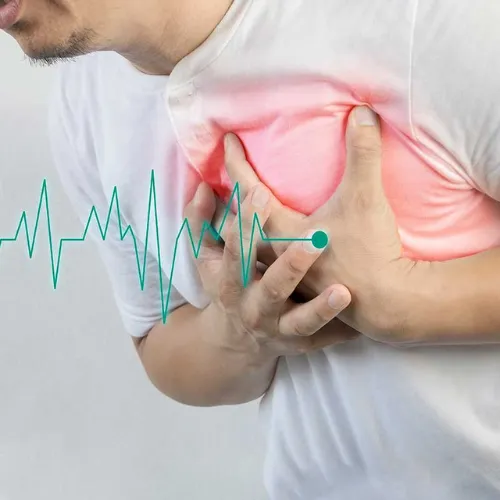
Cardiac palpitations are sensations of irregular, fast, or forceful heartbeats that can be felt in the chest, throat, or neck. They may feel like fluttering, racing, pounding, or skipped beats. While often harmless and linked to stress, caffeine, or dehydration, palpitations may also signal serious arrhythmias, structural heart disease, or thyroid problems, which require medical evaluation.
Symptoms
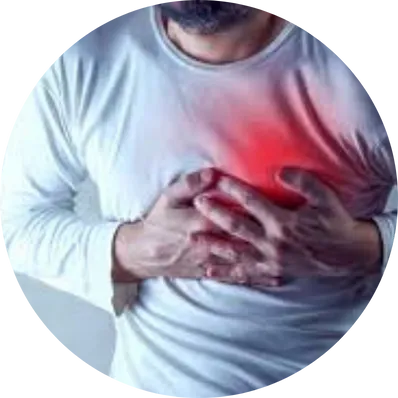
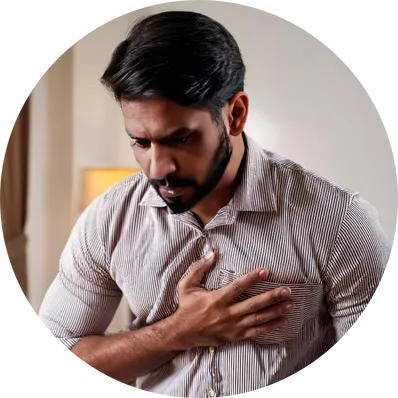

Causes
Types of Cardiac Palpitations
.webp)
.webp)
.webp)
.webp)
.webp)

.webp)
%20(1).webp)
Diagnosis






Cardiac Palpitation Treatment
Reducing caffeine, alcohol, smoking, and stress can significantly improvepalpitations. Adequate hydration, regular sleep, and balanced diet also help regulatethe heart rhythm.
Imbalances in potassium, magnesium, or calcium can trigger palpitations. Your doctormay prescribe supplements or IV fluids to stabilize electrolyte levels and improveheart rhythm.
If palpitations are due to arrhythmias, medicines such as beta-blockers or calciumchannel blockers may be prescribed. These help slow down the heart rate and controlirregular beats.
Overactive thyroid, anemia, and hormonal changes can cause palpitations. Treatingthe underlying condition helps reduce or eliminate the symptoms.
In cases where palpitations are linked to anxiety or panic episodes, doctors mayrecommend relaxation techniques, counselling, or medication to manage stress andstabilize heart activity.
For persistent palpitations caused by electrical disturbances in the heart, catheterablation may be advised. This minimally invasive procedure destroys the abnormalpathways responsible for irregular beats.
If palpitations are related to dangerous heart rhythm problems, the doctor may suggesta pacemaker or implantable cardioverter-defibrillator (ICD) to maintain safe andregular heartbeats.
Certain medications (like decongestants), energy drinks, steroids, and recreationaldrugs can cause palpitations. Your doctor may modify or stop these to preventrecurrence.
Why You Should Not Delay
While occasional palpitations may be harmless, persistent or severe cases may signal arrhythmias, heart failure, or stroke risk (especially with atrial fibrillation). Early evaluation prevents complications and ensures effective treatment.

Why Us?
With Healic you get Trustworthy Care, Affordable Prices and Parivaar Jaisi Dekhbhal.
6 Hospitals; 4 Under Construction
Patients Served Last Year
Expert Doctors & Surgeons
Expert Care Team

Real Patient Stories
Frequently Asked Questions
Cardiac palpitations are sensations of a fast, irregular, or skipping heartbeat. They can feel like fluttering, pounding, or racing in the chest, throat, or neck.
Palpitations can occur due to stress, anxiety, caffeine, dehydration, thyroid problems, or anemia. Heart conditions like arrhythmias (AFib, SVT), valve issues, or cardiomyopathy can also trigger them.
Most palpitations are harmless, but if they come with dizziness, chest pain, fainting, or shortness of breath, Healic cardiologists recommend immediate evaluation to rule out dangerous arrhythmias.
Doctors may perform an ECG, Holter monitor test, blood tests (thyroid/electrolytes), or an echocardiogram to identify the cause and check for underlying heart disease.
Treatment depends on the cause. Lifestyle changes, hydration, reducing caffeine, or adjusting medicines may help. For arrhythmias, Healic specialists may recommend medication, cardiac ablation, or in some cases, a pacemaker.
Don’t worry, our expert team will guide you through diagnosis, treatment options, and recovery. Share your question and we’ll respond quickly.
Get Expert Advice
.svg)
.svg)
.svg)
.svg)