.svg)
The Cardiac Pericardium – Heart’s Protective Sac
A double-layered membrane that cushions, anchors, and protects the heart, essential for smooth heart function and defense against disease.






What is the Cardiac Pericardium?
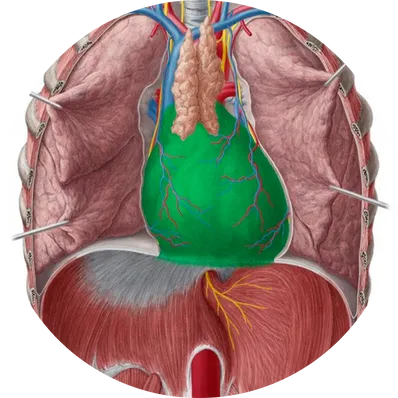
The pericardium is a protective, double-layered sac surrounding the heart. It has:
Fibrous pericardium (outer layer): Anchors the heart in place.
Serous pericardium (inner layer): Consists of parietal and visceral (epicardium) layers, separated by a pericardial cavity with lubricating fluid that reduces friction.
Its key functions are to protect the heart, prevent over-expansion, reduce friction, and act as a shield against infections.
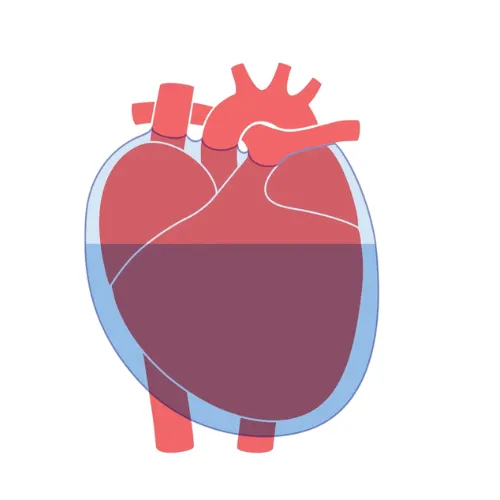
Symptoms
%20%E2%80%93%20chest%20pain%2C%20angina%2C%20or%20suspected%20blockages.webp)
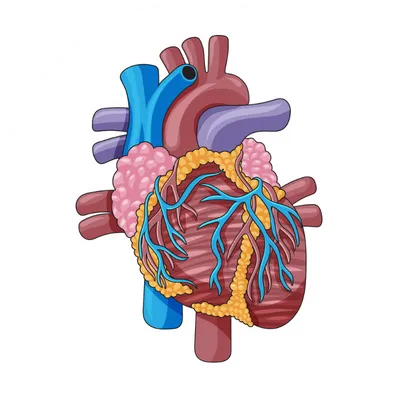



Causes




.svg)
Types of Cardiac Pericardium
.webp)
Diagnosis






Cardiac Pericardium Treatment
For acute pericarditis, doctors prescribe NSAIDs (like ibuprofen) or colchicine toreduce inflammation and chest pain. This is the first-line treatment for most mild tomoderate cases
If symptoms do not improve with NSAIDs, or if the inflammation is due toautoimmune disease, low-dose steroids may be given to control pericardial swellingand pain.
When the pericarditis is caused by bacterial infection, tuberculosis, or viral illness,medicines are prescribed to treat the underlying infection and prevent complications.
If excess fluid collects around the heart (pericardial effusion) and causes breathingdifficulty or chest pressure, a needle is inserted to drain the fluid. This relievespressure on the heart and stabilizes the patient.
If fluid keeps re-accumulating, surgeons create a small opening in the pericardium toallow continuous drainage into the chest cavity. This prevents recurrence and reduceslife-threatening pressure on the heart.
When the pericardium becomes thick and stiff, restricting heart movement, doctorsmay advise medications initially. In severe cases, surgical removal of the thickenedpericardium (pericardiectomy) is required to restore normal heart function.
If pericardial issues are due to kidney failure, autoimmune disorders, cancer, or heartsurgery, treating the primary condition is essential to prevent recurrence.
Patients are advised to rest, avoid strenuous activity, and follow regular follow-ups tomonitor pericardial fluid and inflammation levels.
Why It’s Important Not to Ignore
Pericardial diseases can range from mild inflammation to life-threatening cardiac tamponade. Early detection and treatment prevent complications like heart failure, arrhythmias, or shock.

Why Us?
With Healic you get Trustworthy Care, Affordable Prices and Parivaar Jaisi Dekhbhal.
6 Hospitals; 4 Under Construction
Patients Served Last Year
Expert Doctors & Surgeons
Expert Care Team

Real Patient Stories
Frequently Asked Questions
The cardiac pericardium is a double-layered protective sac around the heart. It cushions the heart, prevents over-expansion, and reduces friction during each heartbeat.
Common pericardial conditions include pericarditis (inflammation), pericardial effusion (fluid buildup), cardiac tamponade (dangerous pressure on the heart), and pericardial cysts or tumors.
They may arise from viral or bacterial infections, autoimmune disorders, kidney failure (uremia), cancer spread, chest trauma, or complications after a heart attack or heart surgery.
Healic cardiologists use ECG, echocardiography, CT/MRI scans, blood tests, and sometimes pericardiocentesis (fluid analysis) to detect inflammation, fluid buildup, or compression of the heart.
Treatment depends on the cause. It may include NSAIDs, colchicine, antibiotics, immunosuppressants, or procedures like pericardiocentesis or a pericardial window to drain excess fluid.
Don’t worry, our expert team will guide you through diagnosis, treatment options, and recovery. Share your question and we’ll respond quickly.
Get Expert Advice
.svg)
.svg)
.svg)
.svg)