.svg)
Cardiac Tamponade – A Life-Threatening Emergency
Rapid fluid buildup around the heart can compress it and stop it from pumping effectively urgent diagnosis and treatment save lives.





What is Cardiac Tamponade?
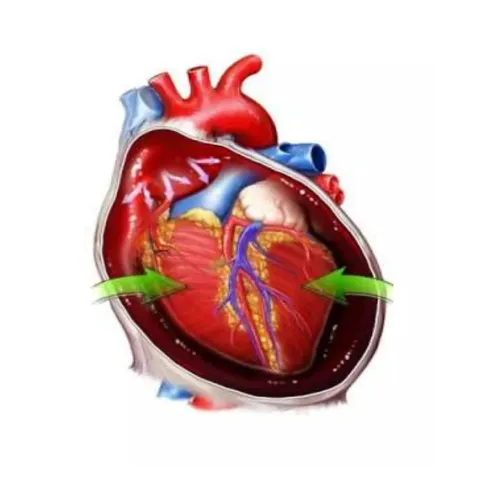
Cardiac tamponade is a medical emergency where fluid builds up inside the pericardial sac (the protective lining around the heart). This pressure prevents the heart from filling properly, leading to low blood pressure, reduced cardiac output, and potential circulatory collapse. Without prompt treatment, it can be fatal.
Symptoms


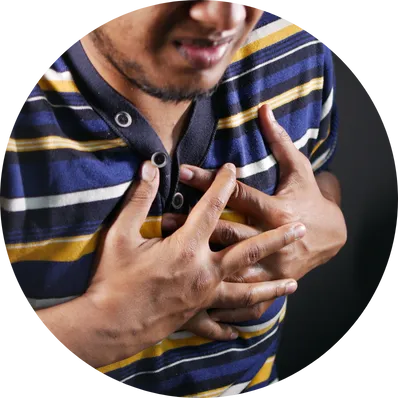
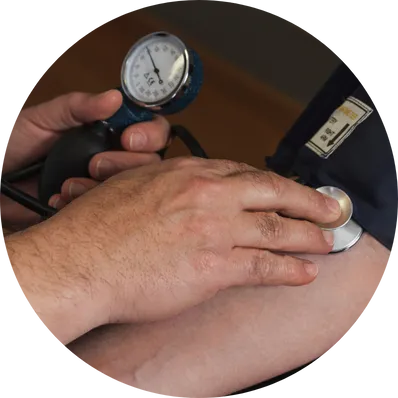
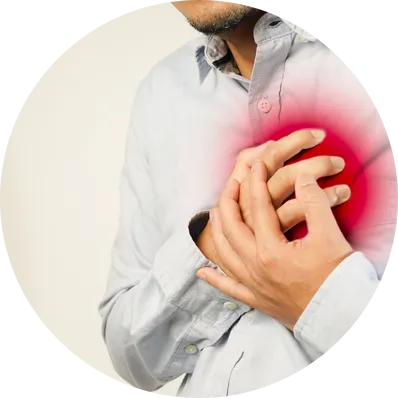
Causes


Types of Cardiac Tamponade
Diagnosis





Cardiac Tamponade Treatment
A needle is inserted into the pericardial sac under ultrasound or fluoroscopy guidanceto drain the accumulated fluid. This reduces pressure on the heart and quicklyimproves blood pressure and breathing.
After removing the initial fluid, a soft drainage catheter may be left in place to allowcontinuous removal of excess fluid. This prevents immediate re-accumulation andstabilizes the patient.
To maintain blood pressure and improve heart output, IV fluids are given until thefluid around the heart is drained. This supports circulation during the critical period.
Depending on why tamponade occurred, additional treatment is given—
- Antibiotics for infections
- Anti-inflammatory drugs for pericarditis
- Cancer treatment (chemotherapy/radiation) if fluid is malignant
- Correction of bleeding disorders if caused by trauma or surgery
If fluid keeps building up or the cause is cancerous, surgeons create a small openingin the pericardium to allow continuous drainage into the chest cavity. This preventsrecurrence and provides long-term relief.
In rare situations where the pericardium becomes stiff, thick, or repeatedly fills withfluid, part of the pericardium may be surgically removed to prevent future lifethreatening tamponade episodes.
Patients are monitored in an intensive care setting for heart rate, blood pressure,oxygen levels, and recurrence of fluid. This ensures stable recovery after theemergency is managed.
Why Immediate Care is Critical
Delaying treatment may lead to shock, organ failure, or cardiac arrest. Emergency drainage procedures like pericardiocentesis or surgical pericardial window are life-saving.

Why Us?
With Healic you get Trustworthy Care, Affordable Prices and Parivaar Jaisi Dekhbhal.
6 Hospitals; 4 Under Construction
Patients Served Last Year
Expert Doctors & Surgeons
Expert Care Team

Real Patient Stories
Frequently Asked Questions
Cardiac tamponade is a life-threatening condition where fluid builds up around the heart and creates pressure, preventing it from filling properly. This reduces blood flow to the body and requires immediate treatment.
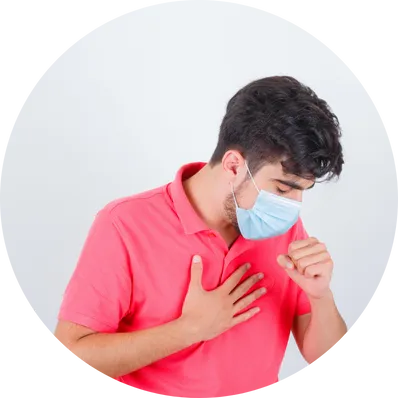
Key symptoms include shortness of breath, low blood pressure, rapid heartbeat, swollen neck veins, and muffled heart sounds. Dizziness, fatigue, and chest discomfort may also occur.
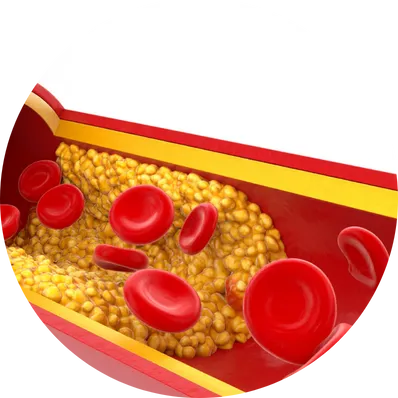
It can be caused by pericardial effusion, chest trauma, cancer, severe infections, autoimmune diseases, kidney failure (uremia), or complications from aortic dissection or heart surgery.
Healic specialists use echocardiography (the gold-standard test), ECG, chest X-ray, and CT/MRI if needed. Clinical signs like Beck’s triad (low BP, JVD, muffled heart sounds) also guide diagnosis.
Emergency pericardiocentesis (draining fluid with a needle) is the main treatment. In recurrent cases, procedures like a pericardial window or pericardiectomy may be recommended. Supportive care includes IV fluids and oxygen.
Don’t worry, our expert team will guide you through diagnosis, treatment options, and recovery. Share your question and we’ll respond quickly.
Get Expert Advice
.svg)
.svg)
.svg)
.svg)