.svg)
Relief from Painful Anal Fissures
End painful bowel movements with safe and effective fissure surgery. Quick healing, minimal discomfort, and long-lasting relief.






What is Fissure Surgery?
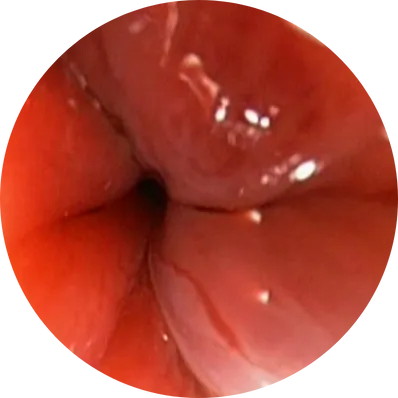
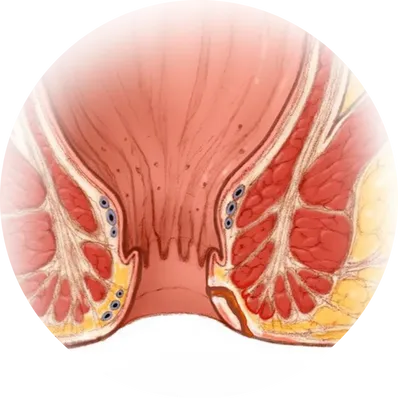
An anal fissure is a small tear in the lining of the anus, causing pain and bleeding duringbowel movements. When lifestyle changes, medications, and ointments fail to heal chronicfissures, fissure surgery (commonly Lateral Internal Sphincterotomy) is performed. Thesurgery involves cutting a small portion of the anal sphincter muscle to reduce spasm,improve blood flow, and allow the fissure to heal.
.webp)
Symptoms



%20near%20the%20fissure%20in%20chronic%20cases.webp)
.webp)
Fissure Causes




Types of Fissures
.webp)
.webp)
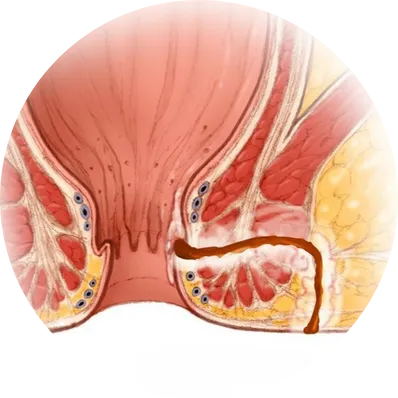
Diagnosis

.webp)


Fissure Treatments
This is the most common and effective surgery for chronic fissure. The surgeon makes a small cut in the internal anal sphincter muscle to reduce spasm and improve blood flow. This helps the fissure heal naturally. Recovery is quick, with relief from pain usually within a few days.
In the open method, a small incision is made to access the sphincter muscle directly. In the closed method, the surgeon uses a small puncture site to cut the muscle. Both are effective; the closed technique often leaves no visible wound.
In this procedure, the surgeon removes the chronic fissure tissue and surrounding scar tissue. It may be combined with LIS for better healing in persistent or complex fissures.
A minimally invasive technique where a precise laser beam is used to cut the sphincter muscle or vaporise the fissured tissue. It causes minimal bleeding, less postoperative pain, and quick recovery. Ideal for patients seeking daycare treatment.
The surgeon injects botulinum toxin into the anal sphincter muscle to temporarily relax it. This improves blood flow and promotes healing of the fissure. The effect lasts for a few months and may avoid surgery in selected patients.
Why You Should Not Delay
Untreated fissures can become chronic, leading to severe pain, recurrent bleeding, infection, or even the formation of abscesses and fistulas. Early treatment ensures faster healing, less discomfort, and prevents long-term complications.

Why Us?
With Healic you get Trustworthy Care, Affordable Prices and Parivaar Jaisi Dekhbhal.
6 Hospitals; 4 Under Construction
Patients Served Last Year
Expert Doctors & Surgeons
Expert Care Team

Real Patient Stories
Frequently Asked Questions
No, many fissures heal with diet changes, ointments, or lifestyle modifications. Surgery is only required for chronic or non-healing fissures.
Modern techniques like LIS are minimally invasive, and most patients experience significant pain relief soon after surgery.
Most patients return to normal activities within a week. Full healing takes 2–3 weeks depending on the type of surgery.
Recurrence is uncommon after LIS, but constipation and straining can increase the risk. Maintaining a healthy diet helps prevent it.
Yes, fissure surgery is safe when performed by experienced surgeons. Risks are rare but may include minor bleeding, infection, or temporary incontinence.
Don’t worry, our expert team will guide you through diagnosis, treatment options, and recovery. Share your question and we’ll respond quickly.
Get Expert Advice
.svg)
.svg)
.svg)
.svg)