.svg)
Permanent Relief from Anal Fistula
Advanced surgical treatments designed to close fistula tracts safely, prevent recurrence, and restore long-term comfort.


.svg)



What is Fistula Surgery?
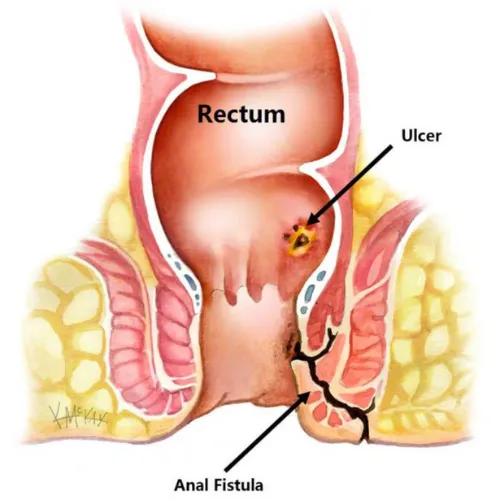
An anal fistula is an abnormal tunnel that forms between the anal canal and the skin near theanus, usually due to an infection in the anal glands that didn’t heal properly. Surgery is themain treatment because fistulas rarely heal on their own. The goal of fistula surgery is toremove or repair the tract while preserving continence and preventing recurrence.
Symptoms


.webp)
Fistula Causes




.svg)


Types of Fistula
Fistula Diagnosis

.webp)



Fistula Treatment
This is the most common treatment for simple, low anal fistulas. The surgeon opens the entire fistula tract, cleans it, and allows it to heal from the inside out. It offers a high success rate with low recurrence but is suitable only when the sphincter muscle involvement is minimal.
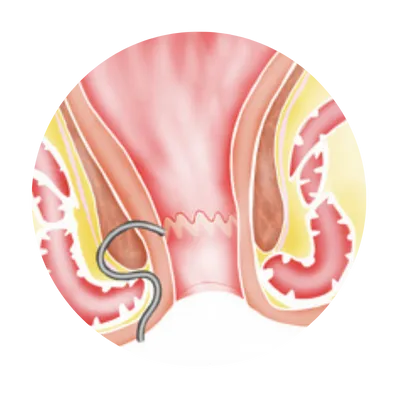
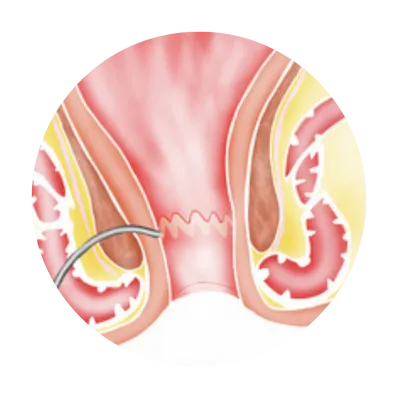
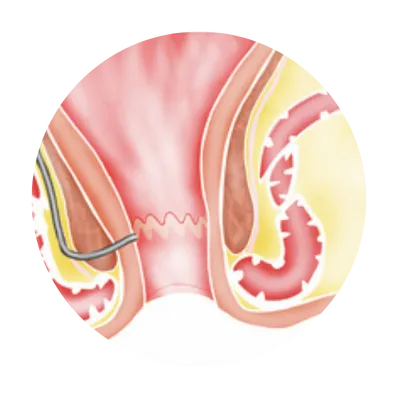
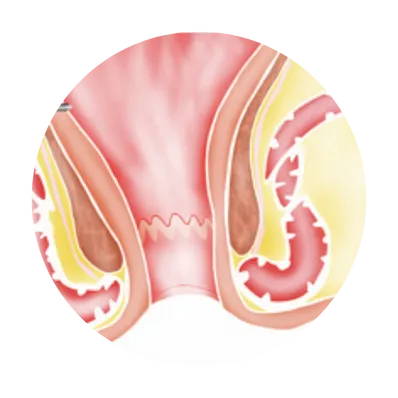
Used for high or complex fistulas involving the anal sphincter. A medical thread (seton) is placed through the tract to allow drainage and reduce infection.
- Cutting Seton: Gradually tightens to cut through the fistula while preserving
muscle.
- Loose Seton: Keeps the area drained and infection-free, often used before a definitive procedure.
The surgeon accesses the fistula between the sphincter muscles, ties off the internal opening, and removes the infected tissue. This sphincter-saving procedure has a good success rate and minimal risk of incontinence.
A minimally invasive laser technique where a radial-emitting laser probe is inserted into the fistula tract to shrink and close it from inside. It causes minimal pain, minimal bleeding, and offers quick recovery. Best for complex or long fistula tracts.
A specialised endoscopic technique where a small camera is inserted into the fistula to visualise the tract. The surgeon cleans the tract under direct vision and closes the internal opening. This technique avoids cutting and preserves sphincter muscles.
The surgeon removes the internal opening of the fistula and covers it with a flap of healthy rectal tissue. This procedure is used for recurrent, complex, or high fistulas with significant sphincter involvement.
Biologic glue (fibrin) or fistula plugs made of collagen are inserted into the tract to seal it. These methods are minimally invasive but may have a lower success rate compared to surgical options.
Why You Should Not Delay
Delaying treatment for an anal fistula can lead to chronic infection, repeated abscesses, foul-smelling discharge, and even damage to anal muscles causing incontinence. Early surgery ensures faster healing, lower recurrence, and preserves long-term anal health.

Why Us?
With Healic you get Trustworthy Care, Affordable Prices and Parivaar Jaisi Dekhbhal.
6 Hospitals; 4 Under Construction
Patients Served Last Year
Expert Doctors & Surgeons
Expert Care Team

Real Patient Stories
Frequently Asked Questions
An anal fistula is an abnormal tunnel that forms between the anal canal and the skin near the anus. It usually develops after an infection or abscess that didn’t heal properly.
In most cases, no. Anal fistulas rarely close on their own. Surgery is usually required to remove the infected tract and prevent complications or recurrence.
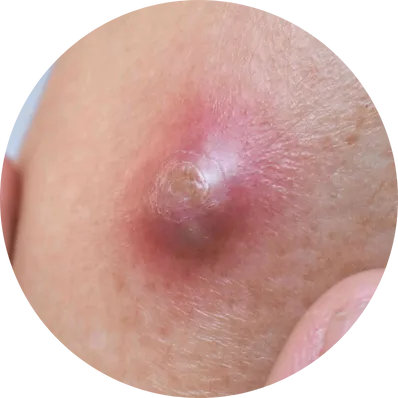
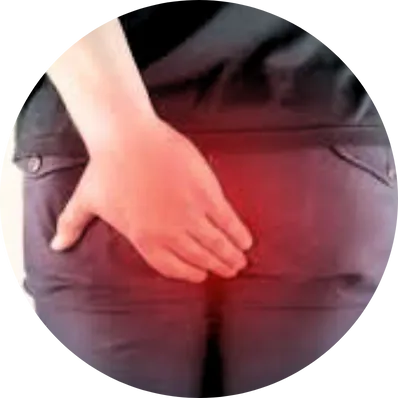
Common early symptoms include pain, swelling, pus or blood discharge, skin irritation, and a small opening or boil-like lump near the anus.
Costs vary depending on the type of fistula and the recommended procedure. After diagnosis, the doctor will share a personalized treatment plan with transparent pricing.
Yes. Healic offers regular follow-up consultations, wound care instructions, diet guidance, and recovery support to help you heal effectively.
Yes. You can get an online consultation for initial assessment, symptom review, treatment explanation, and guidance on next steps.
Don’t worry, our expert team will guide you through diagnosis, treatment options, and recovery. Share your question and we’ll respond quickly.
Get Expert Advice
.svg)
.svg)
.svg)
.svg)