.svg)
Piles Surgery (Haemorrhoidectomy) Made Simple
Safe, painless, and effective treatments for haemorrhoids with quick recovery.


.svg)



What is Piles Surgery (Haemorrhoidectomy)?
Haemorrhoidectomy is a surgical procedure performed to remove haemorrhoids (piles) –swollen and inflamed veins in the rectum or anus that cause pain, bleeding, and discomfort. Itis usually recommended when non-surgical treatments (like lifestyle changes, medications, orminimally invasive procedures) fail, or when haemorrhoids are severe (Grade III or IV).
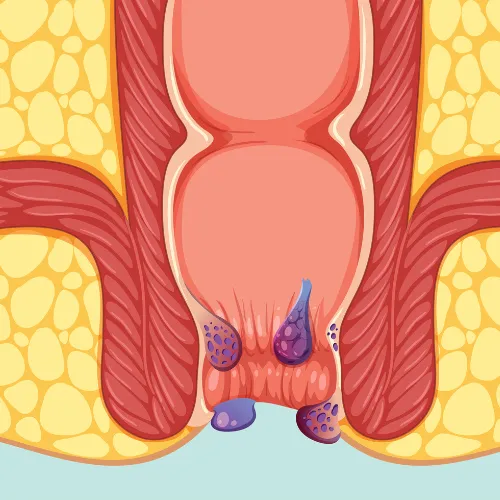
Symptoms

.webp)

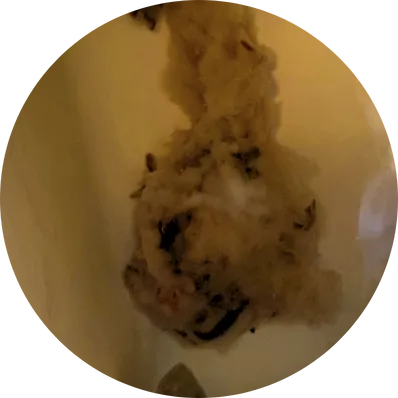
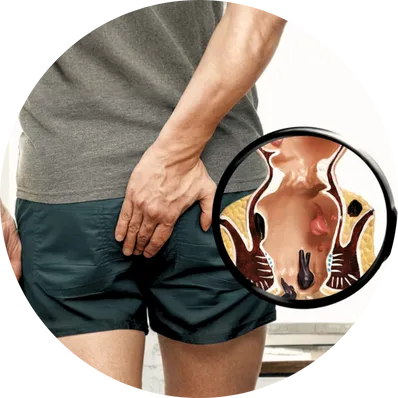

Haemorrhoids Causes



(increased pressure in pelvic veins)



(weakening of rectal tissues)
Types of Haemorrhoids
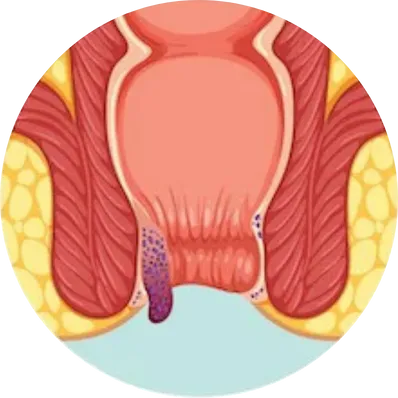


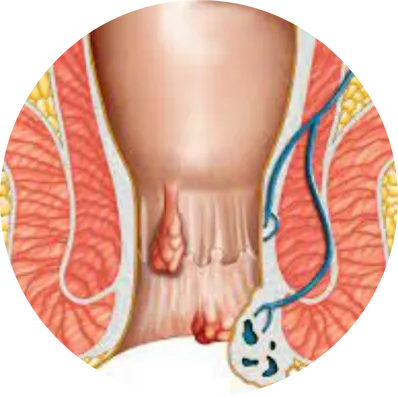
Diagnosis

.webp)


Haemorrhoids Treatment
In this surgical procedure, the surgeon removes excess hemorrhoidal tissue causing bleeding and prolapse. The wound is left open or stitched depending on the approach. This method is effective for large, recurrent, or grade 3–4 piles. Recovery may take 1–2 weeks with mild postoperative discomfort.
The surgeon uses a circular stapling device to remove a ring of excess tissue and pull the hemorrhoids back inside the rectum. This reduces blood flow to the hemorrhoids, causing them to shrink. It is usually less painful and has faster recovery compared to conventional methods. Ideal for internal hemorrhoids.
In this minimally invasive procedure, the surgeon directs a controlled laser beam into the hemorrhoidal mass. The laser causes the tissue to shrink from within, resulting in less pain, minimal bleeding, and quicker healing. Suitable for early to moderate-stage piles.
This procedure uses a Doppler probe to identify the arteries supplying blood to the hemorrhoids. The surgeon then ties off these arteries, reducing blood flow and shrinking the hemorrhoids. This method avoids cutting and is associated with quicker
recovery.
A minimally invasive OPD procedure where a small rubber band is placed around the base of the internal hemorrhoid, cutting off its blood supply. The hemorrhoid shrivels
and falls off within a week. Most effective for grades 1–2 piles.
The surgeon uses infrared light to coagulate and shrink small internal hemorrhoids. It is a quick, almost painless procedure done in the OPD for early-stage haemorrhoids
Why You Should Not Delay
If left untreated, piles can become more painful and severe over time. Delaying treatment may lead to continuous bleeding, anemia, infection, or prolapsed haemorrhoids that are harder to manage. Early treatment ensures quicker recovery, less discomfort, and prevents long-term complications.

Why Us?
With Healic you get Trustworthy Care, Affordable Prices and Parivaar Jaisi Dekhbhal.
6 Hospitals; 4 Under Construction
Patients Served Last Year
Expert Doctors & Surgeons
Expert Care Team

Real Patient Stories
Frequently Asked Questions
No, mild piles can be managed with medicines, diet, and lifestyle changes. Surgery is usually recommended for severe cases or when other treatments fail.
Modern procedures like laser haemorrhoidoplasty cause minimal pain compared to traditional surgery, and recovery is much faster.
Most patients can return to routine activities within a week. Full recovery may take 2–3 weeks depending on the procedure.
The treated haemorrhoids are permanently removed, but new ones can form if constipation, straining, or poor lifestyle habits continue.
Yes, with experienced surgeons and modern techniques, piles surgery is safe and effective, with very low risk of complications.
Don’t worry, our expert team will guide you through diagnosis, treatment options, and recovery. Share your question and we’ll respond quickly.
Get Expert Advice
.svg)
.svg)
.svg)
.svg)