.svg)
Safe & Painless Relief from Varicose Veins
Say goodbye to swollen, painful veins with advanced laser and minimally invasive procedures. Quick recovery, no major scars, and same-day discharge.

.svg)

.svg)
What is Varicose Veins?
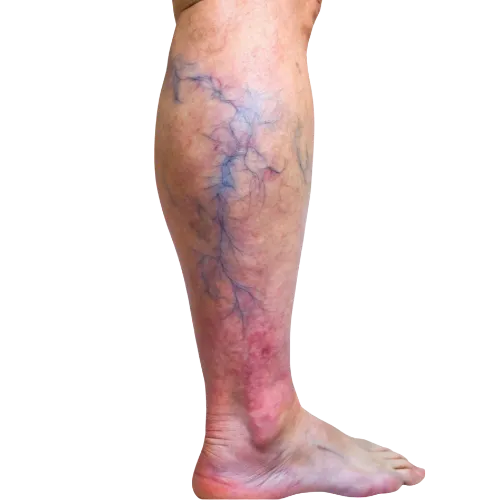
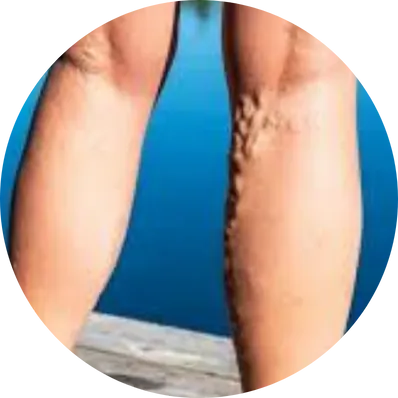
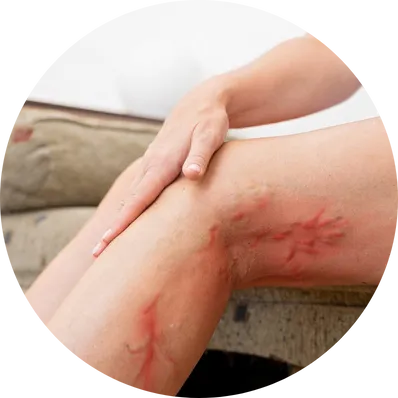
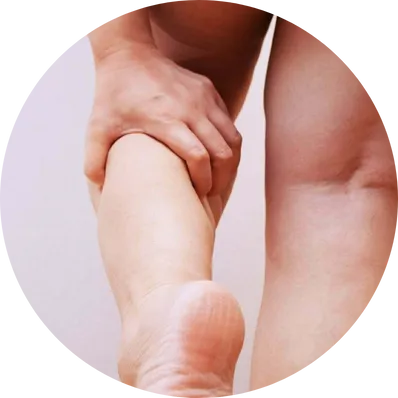
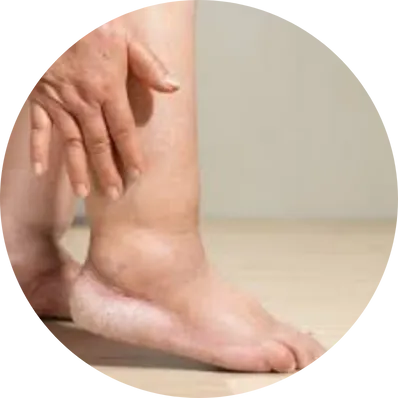
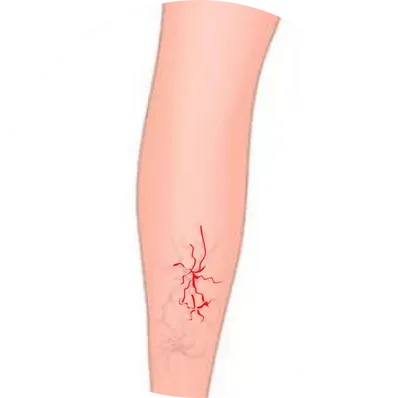
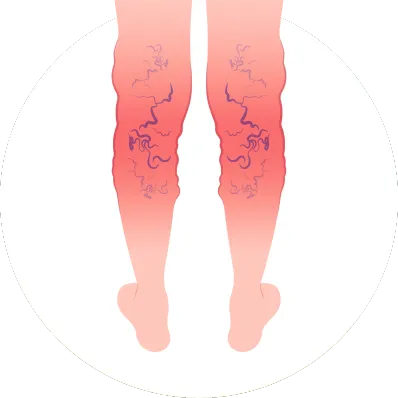
Varicose veins also called varicose or varicosities, are swollen blood vessels that appear just under the skin’s surface. Varicose veins occur when the veins get enlarged or overfilled with blood. Although varicose veins can cause discomfort, they are usually harmless.
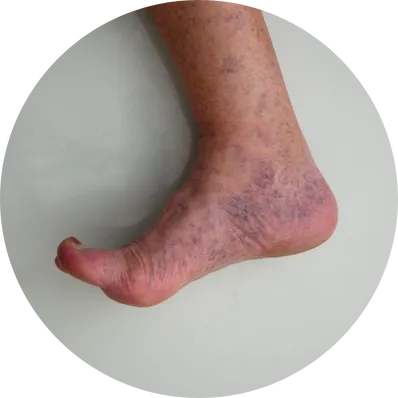
They generally have bluish-purple hues and are found in the legs and feet. Varicose veins are relatively a common condition. Researchers have found out that around 25 percent of all adults suffer from this condition.
Symptoms


Varicose Veins Causes




Types of Varicose Veins

Varicose Veins Treatment
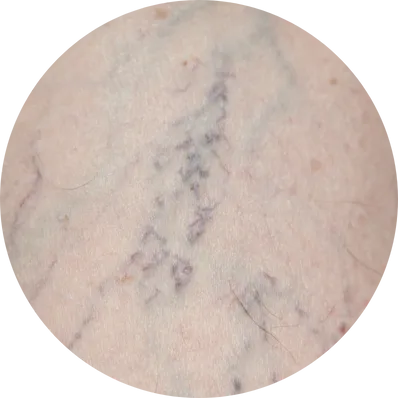
The doctor injects the veins with a solution or foam that scars and closes off the affected vein. A few weeks later, they should fade. The doctor may inject the solution more than once. It is indicated primarily for reticular & spider veins.
This procedure is used to treat small varicose veins. In this procedure, the surgeon sends strong bursts of energy into the veins, making them disappear or fade slowly. During the laser treatment for varicose veins, there is no use of needles.
This is an outpatient procedure in which the vein is tied off before it joins the deep veins and then removed surgically. Once the surgery is done, the patient needs to rest for one to three weeks and wear compression stockings for a speedy recovery.
In this procedure, the surgeon removes smaller varicose veins through a series of tiny skin punctures. It is indicated for below-knee perforations.
This procedure is performed on an outpatient basis. The surgeon uses a thin video camera inserted in your leg to locate and close varicose veins. The veins are then removed through small incisions.
In this procedure, the varicose veins
specialist makes a small incision either above or below the knee. The surgeon threads a narrow tube into the vein with the help of an ultrasound scan. The surgeon then inserts a probe into the catheter that emits radiofrequency energy. This heats the veins, which causes its walls to collapse and seals them shut.
Glue embolisation is a painless procedure where glue isinjected into the veins, embolisation is done to close the vein. The closure isaround 94.5% at one year. The patient does not require to wear stockingsafter the procedure. It is a daycare procedure and the patient is dischargedwithin a few hours.
Why You Should Not Delay
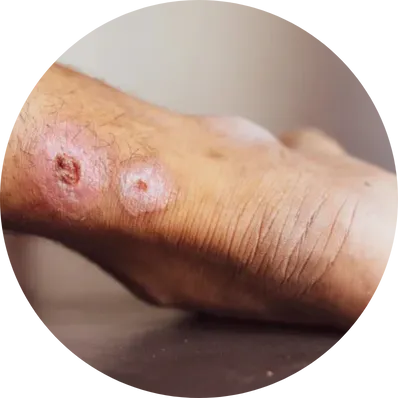
Untreated varicose veins may worsen over time. They can lead to chronic leg pain, swelling, skin damage, or even non-healing ulcers. In some cases, clots can form inside the veins, increasing the risk of complications like deep vein thrombosis (DVT) or pulmonary embolism.
Early treatment not only relieves discomfort but also prevents long-term damage and improves your quality of life.

Why Us?
With Healic you get Trustworthy Care, Affordable Prices and Parivaar Jaisi Dekhbhal.
6 Hospitals; 4 Under Construction
Patients Served Last Year
Expert Doctors & Surgeons
Expert Care Team

Real Patient Stories
Frequently Asked Questions
Most varicose veins are not life-threatening, but untreated cases can cause pain, ulcers, or blood clots. Early treatment prevents complications.
Modern treatments like laser, glue embolisation, or radiofrequency ablation are minimally invasive, nearly painless, and allow quick recovery.
Most patients return to daily activities within a few days. Full recovery depends on the type of treatment, but downtime is minimal.
While treated veins are permanently closed, new varicose veins may develop if risk factors remain. Regular check-ups help in early management.
The best option depends on your condition. Doctors may recommend laser therapy, sclerotherapy, radiofrequency ablation, or glue embolisation.
Don’t worry, our expert team will guide you through diagnosis, treatment options, and recovery. Share your question and we’ll respond quickly.
Get Expert Advice
.svg)
.svg)
.svg)
.svg)