.svg)
Safe Delivery Care for Mother & Baby
From normal vaginal births to C-sections and special deliveries, our expert team ensures safe, supportive, and compassionate care for every mother and child.

.svg)


.svg)

What Are the Types of Deliveries?
Childbirth (delivery) is the process of bringing a baby into the world. There are different types of deliveries, depending on the mother’s health, the baby’s condition, and pregnancy complications. The goal is always a safe birth for both mother and child.

Symptoms




Varicose Veins Causes




.svg)
Types of Deliveries

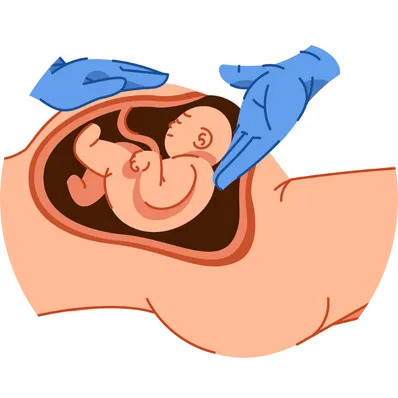


Diagnosis (Before Deciding Delivery Method)


.webp)

Treatment
This is the most common type of delivery. The baby is delivered through the birth canalwithout surgical intervention. It involves three stages labor, birth, and delivery of theplacenta. Recovery is usually quick, and hospital stay is short.
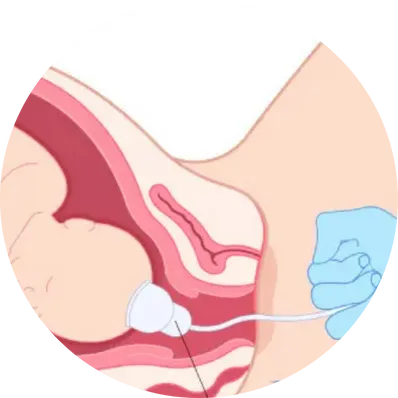
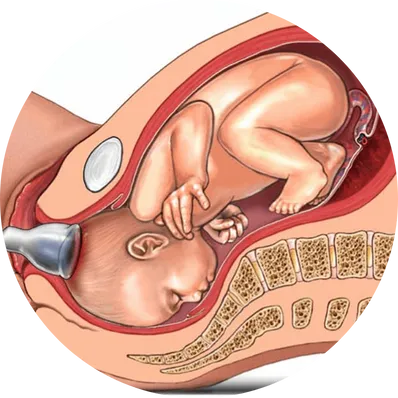
If labor is prolonged or the mother is unable to push effectively, the doctor may useinstruments to help the baby come out:
• Forceps Delivery: Curved metal instruments gently guide the baby's head.
• Vacuum Extraction: A suction device helps pull the baby out during contractions.This is recommended only when necessary and is usually safe.
Labor is induced using medications or procedures when it doesn’t start naturally andcontinuing pregnancy may pose risks.Methods include:
• Oxytocin drips
• Membrane sweeping
• Breaking the water bag (amniotomy)Induction helps initiate contractions for a safe vaginal birth.
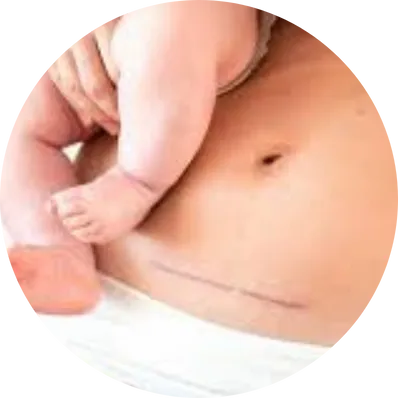
A C-section is a surgical procedure in which the baby is delivered through incisions made inthe abdomen and uterus.Indications include:
• Baby in breech or transverse position
• Placenta previa
• Foetal distress
• Previous C-section\
• Multiple pregnanciesRecovery takes longer (around 4–6 weeks), and hospital stay is usually 2–3 days.
This is a planned C-section done before labor starts due to medical reasons or as advised bythe doctor. It ensures controlled delivery conditions. The procedure and recovery are similarto a normal C-section.
In selected cases, a woman who has had a previous C-section can try for a vaginal delivery.VBAC is recommended if:
• The previous incision was low transverse
• There are no complicationsVBAC offers faster recovery if successful.
An epidural injection is given during labor to reduce pain. It helps the mother remain relaxedwhile still being alert. This method is safe and commonly offered in modern maternity care.
In this method, the mother labours and sometimes delivers in a warm-water tub. The warmwater helps relax muscles, reduce pain, and ease labor. This is done in selected hospitals withproper supervision.
Why You Should Not Delay
Delaying medical support during delivery can increase risks for both mother and baby. Early evaluation and planning ensure safe delivery, reduce complications, and support a healthy recovery.

Why Us?
With Healic you get Trustworthy Care, Affordable Prices and Parivaar Jaisi Dekhbhal.
6 Hospitals; 4 Under Construction
Patients Served Last Year
Expert Doctors & Surgeons
Expert Care Team

Real Patient Stories
Frequently Asked Questions
Healic provides all major delivery options, including normal vaginal delivery, assisted delivery, C-section, water birth, VBAC, and preterm delivery care—ensuring safe outcomes for mother and baby.
You should visit Healic when you experience regular contractions, water breaking, intense back/pelvic pressure, bleeding, or signs of active labor. High-risk pregnancy symptoms should be reported immediately.
Healic doctors assess the mother’s health, baby’s position, pregnancy risk factors, and labor progress through ultrasound, NST/CTG, and pelvic exams to choose the safest delivery method.
Normal delivery recovery takes 4–6 weeks, while C-section recovery takes 6–8 weeks. Healic offers postpartum care, pain relief, wound care, and breastfeeding support for all mothers.
Risks vary - normal delivery may cause tears, C-sections carry surgical risks, and assisted births may cause minor injuries. Healic’s experienced obstetricians, continuous monitoring, and advanced facilities ensure safe maternal and newborn care.
Don’t worry, our expert team will guide you through diagnosis, treatment options, and recovery. Share your question and we’ll respond quickly.
Get Expert Advice
.svg)
.svg)
.svg)
.svg)