.svg)
Safe Treatment for Heavy Periods
Endometrial ablation is a minimally invasive procedure that reduces or stops heavy menstrual bleeding, offering fast recovery and long-term relief.



.svg)


What is Endometrial Ablation?
Endometrial ablation is a minimally invasive surgical procedure that removes or destroys the uterine lining (endometrium) to reduce or stop abnormal uterine bleeding. It is recommended for women with heavy or prolonged periods (menorrhagia) who do not respond to medicines and do not plan future pregnancies.
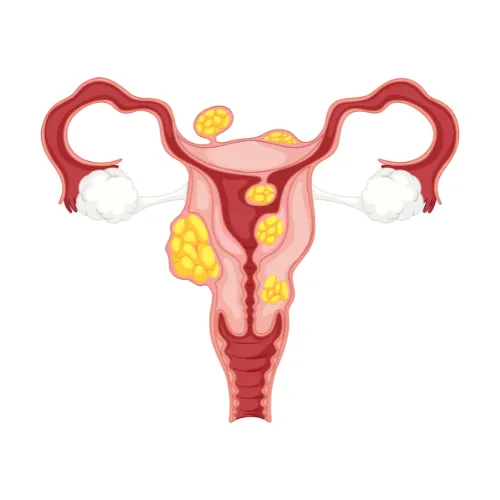
Symptoms


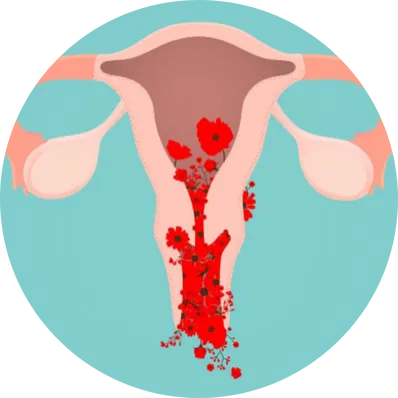
.webp)
Causes of Abnormal Bleeding (Leading to Ablation Need)


.svg)

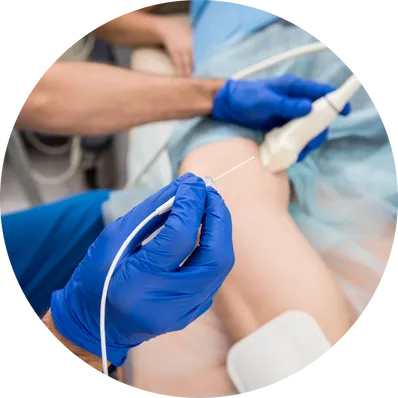
Types of Endometrial Ablation Techniques
.webp)
Diagnosis (Before Surgery)





Endometrial Ablation Treatment
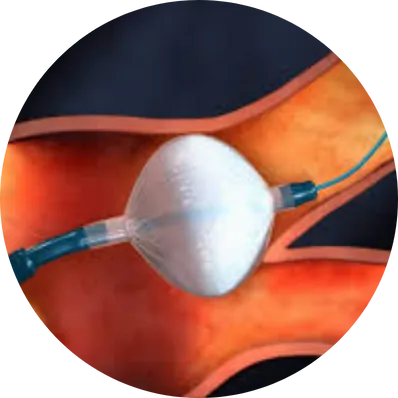
A specially designed balloon is inserted into the uterus.
• The balloon is filled with heated fluid
• The heat destroys the endometrial lining evenlyThis method is quick, safe, and commonly used for uniform cavity shapes.
In this method, a flexible device is placed inside the uterus.
• Radiofrequency energy is released
• It rapidly destroys the endometrial liningThe procedure takes only a few minutes and offers quick recovery.
A thin probe delivers microwave energy to the uterine lining.
• The heat removes the tissue
• Effective in reducing heavy bleedingOften recommended when the uterus is slightly enlarged
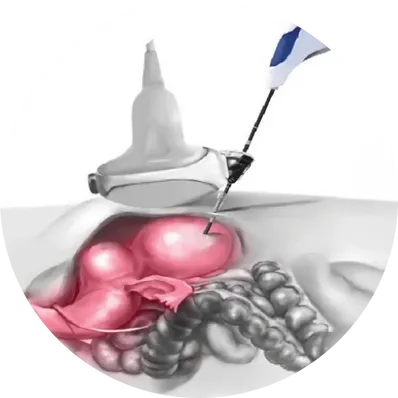
A probe freezes small areas of the endometrium.
• Extremely cold temperatures destroy the tissue
• Ultrasound helps guide the freezing processThis method is preferred for certain cavity shapes and specific medical conditions.
Heated fluid is circulated inside the uterus.
• The heat targets and destroys the lining
• Useful in cases of irregular-shaped uterine
cavitiesPerformed under controlled monitoring for safety.
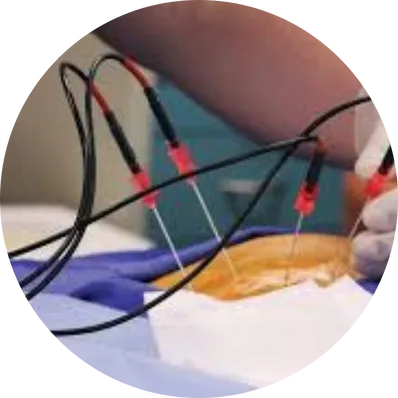
Using a hysteroscope, the surgeon visually inspects the uterus.
• Excess endometrial tissue is shaved or resected
• Gives precise control and is ideal where thicker tissue must be removedOften performed under anesthesia.
After endometrial ablation, the patient may experience:
• Mild cramping
• Watery or blood-tinged discharge for a few daysDoctors advise avoiding intercourse, tampons, and swimming for about 1–2 weeks.Women should also note that pregnancy is still possible but unsafe, so contraceptionis recommended unless sterilization is done.
Why You Should Not Delay
Untreated heavy periods may lead to severe anemia, fatigue, and poor quality of life. Early treatment helps restore energy, improves daily comfort, and prevents long-term health issues.

Why Us?
With Healic you get Trustworthy Care, Affordable Prices and Parivaar Jaisi Dekhbhal.
6 Hospitals; 4 Under Construction
Patients Served Last Year
Expert Doctors & Surgeons
Expert Care Team

Real Patient Stories
Frequently Asked Questions
Endometrial ablation removes or destroys the uterine lining to reduce heavy menstrual bleeding. Yes, Healic provides advanced, minimally invasive endometrial ablation techniques.
AnswHealic may recommend ablation if you have heavy periods, prolonged bleeding, anemia, or failed medical treatments and you do not wish to preserve fertility.
Depending on your condition, Healic specialists may use thermal balloon, radiofrequency, microwave, cryotherapy, or electrosurgical ablation to safely remove the uterine lining.
Most patients go home the same day. Mild cramping or discharge may last a few days. Normal activities resume in 1–2 days, with periods becoming lighter within months.
Rare risks include infection, bleeding, or uterine perforation. Healic’s gynecology team conducts detailed screening and uses advanced technology to ensure safe, effective results.
Don’t worry, our expert team will guide you through diagnosis, treatment options, and recovery. Share your question and we’ll respond quickly.
Get Expert Advice
.svg)
.svg)
.svg)
.svg)