.svg)
Safe & Advanced Hysterectomy Surgery
Surgical removal of the uterus to treat fibroids, heavy bleeding, prolapse, endometriosis, or cancer with minimally invasive options for quicker recovery.



.svg)


What is a Hysterectomy?
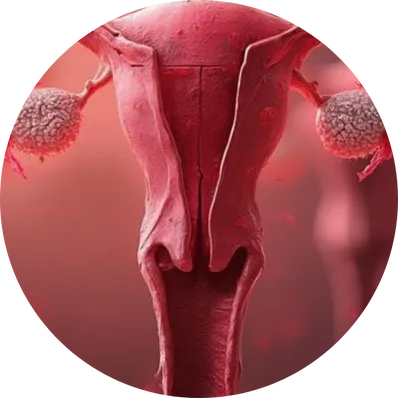
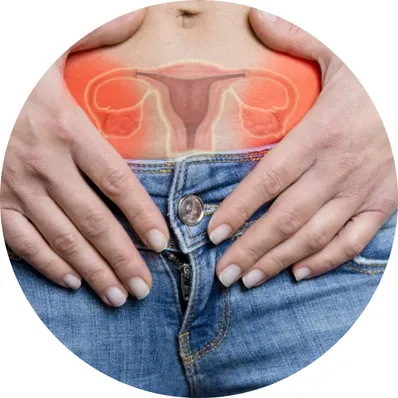
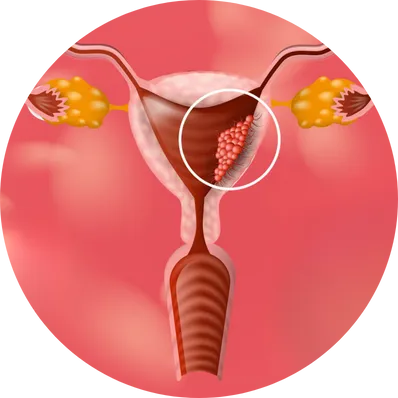
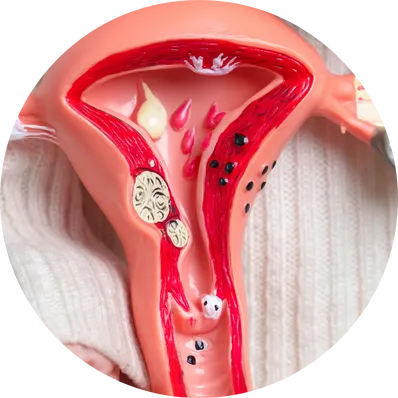
A hysterectomy is a surgery to remove the uterus (womb). In some cases, the cervix, ovaries, and fallopian tubes may also be removed. After this procedure, women will no longer menstruate or be able to conceive. Hysterectomy can be done through abdominal, vaginal, laparoscopic, or robotic techniques, depending on the condition.

Symptoms


Causes (Why it is Done)



.svg)
Types of Hysterectomy
%20hysterectomy.webp)
Diagnosis (Before Surgery)






HysterectomyTreatment
The uterus and cervix are removed. This is the most common type.Indicated for:
• Fibroids• Abnormal bleeding
• Adenomyosis
• Early-stage cancersThis can be done abdominally, vaginally, or laparoscopically.
Only the upper part of the uterus is removed, and the cervix is left intact.Advantages:
• Shorter surgery time
• Possible better pelvic floor supportUsed selectively based on doctor’s evaluation.
A minimally invasive approach where:
• Small incisions are made
• A laparoscope is inserted
• Uterus is removed through the vagina or via morcellationBenefits include faster recovery, less pain, and minimal scarring.
The uterus is removed entirely through the vagina, without abdominal cuts.Recommended for:
• Uterine prolapse• Fibroids
• Certain benign conditionsRecovery is quicker and cosmetic results are excellent
The uterus is removed through a larger incision on the lower abdomen.Recommended when:
• The uterus is very large
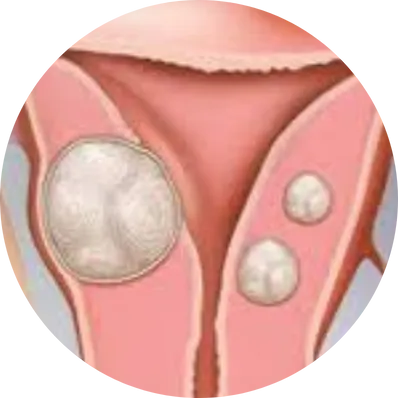
• There are multiple fibroids
• Cancer or severe adhesions are presentRecovery takes longer (4–6 weeks).
This involves removing the uterus, cervix, upper vagina, and surrounding tissues.Indicated for:
• Cervical cancer
• Selected gynecologic malignanciesA more extensive surgery performed by oncology specialists.
A combination approach where laparoscopy is used to free the uterus, and removal iscompleted vaginally.This allows:
• Minimal pain
• Short hospital stay
• Faster return to routine activities
After hysterectomy, doctors advise:
• Avoid heavy lifting for 4–6 weeks
• Walk regularly to improve healing
• Monitor for fever, severe pain, or heavy dischargeIf ovaries are removed, hormonal changes may occur and your doctor may suggesthormone replacement therapy (HRT).
Why You Should Not Delay
Delaying hysterectomy may worsen pain, heavy bleeding, or risk of cancer progression. Timely surgery helps restore comfort, prevent complications, and improve overall health.

Why Us?
With Healic you get Trustworthy Care, Affordable Prices and Parivaar Jaisi Dekhbhal.
6 Hospitals; 4 Under Construction
Patients Served Last Year
Expert Doctors & Surgeons
Expert Care Team

Real Patient Stories
Frequently Asked Questions
A hysterectomy is a procedure to remove the uterus, and sometimes the cervix, ovaries, or tubes. Healic offers abdominal, vaginal, laparoscopic, and robotic hysterectomy based on each patient’s condition.
Healic specialists may recommend hysterectomy for severe fibroids, heavy bleeding, chronic pelvic pain, endometriosis, adenomyosis, uterine prolapse, or cancers of the uterus, cervix, or ovaries.
Depending on your case, Healic doctors may use an abdominal incision, perform the surgery vaginally, or use minimally invasive laparoscopic/robotic techniques for faster recovery and minimal scarring.
Laparoscopic or vaginal hysterectomy recovery takes about 2–4 weeks, while abdominal hysterectomy may take 6–8 weeks. Healic provides complete post-op care, pain management, and emotional support.
Risks include infection, bleeding, organ injury, early menopause (if ovaries are removed), or emotional impact. Healic’s experienced gynecologic surgeons and thorough pre-surgical evaluation ensure safe, compassionate care.
Don’t worry, our expert team will guide you through diagnosis, treatment options, and recovery. Share your question and we’ll respond quickly.
Get Expert Advice
.svg)
.svg)
.svg)
.svg)