.svg)
Safe & Advanced Endoscopic Surgery
A minimally invasive surgical approach using a tiny camera and instruments offering faster recovery, less pain, and minimal scarring.


.svg)



What is Endoscopic Surgery?
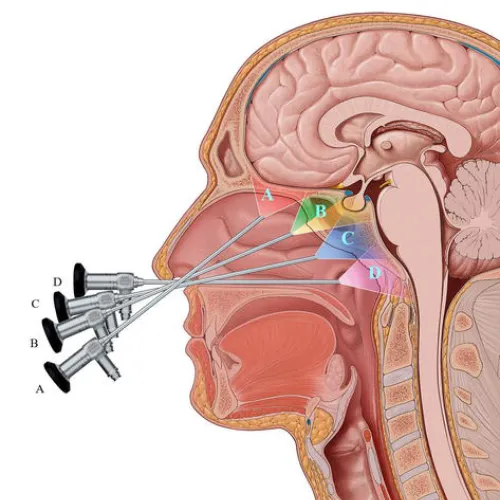
Endoscopic surgery is a minimally invasive procedure where a thin, flexible tube with a light and camera (endoscope) is inserted through a natural body opening or a small incision. This allows doctors to see inside the body, diagnose conditions, and perform treatments with less trauma than traditional open surgery. It is widely used in gastroenterology, ENT, gynecology, urology, neurosurgery, and orthopedics.
Symptoms



.webp)
.webp)
.webp)
Causes (Conditions Treated by Endoscopic Surgery)





Types of Endoscopic Surgery
Diagnosis (Before Surgery)




Treatment
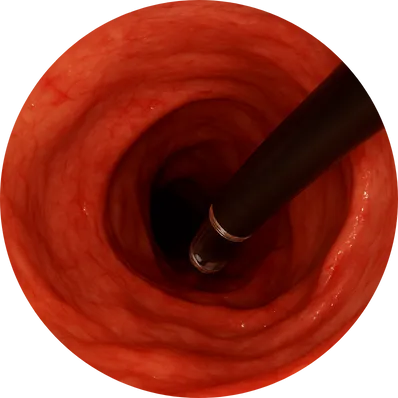
Used to inspect internal organs for accurate diagnosis.Types include:
• Upper GI Endoscopy (EGD)
• Colonoscopy / Sigmoidoscopy
• Bronchoscopy
• Hysteroscopy
• Cystoscopy
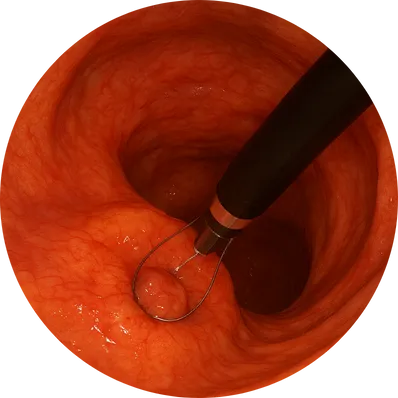
Doctors may take biopsies, remove small growths, or treat minor bleeding during thesame session.
Performed for conditions such as:
• Peptic ulcers
• GI bleeding• Esophageal strictures
• Polyps
• Early-stage tumorsProcedures may include dilation, polyp removal, banding, stenting, or mucosalresection.
Used to treat chronic sinusitis, polyps, or blockages.
• A nasal endoscope is inserted through the nostril
• Blocked sinuses are opened
• Polyps or infected tissue are removedThis improves breathing and reduces sinus infections.
Performed for:
• Kidney stones (URS)
• Bladder tumors
• Prostate enlargement (TURP)The endoscope enters through the urethra—no external incisions.
Used for:
• Uterine polyps
• Fibroids
• Abnormal bleeding
• Septum resectionThe endoscope is inserted through the vagina into the uterus.
Minimally invasive approach for:
• Disc herniation
• Nerve decompression
• Spinal stenosisSmall incisions and camera-guided instruments reduce recovery time significantly
Used for biliary and pancreatic diseases.
• Removes gallstones in bile duct
• Places stents
• Treats strictures or blockagesOften used in emergencies like pancreatitis.
Used in advanced surgical centers.
Combines the precision of endoscopy with laparoscopic access for complex tumors orlesions
Why You Should Not Delay
Endoscopic surgery helps diagnose and treat conditions early with minimal trauma. Delaying care may worsen symptoms, increase pain, and lead to complications requiring more invasive surgery.

Why Us?
With Healic you get Trustworthy Care, Affordable Prices and Parivaar Jaisi Dekhbhal.
6 Hospitals; 4 Under Construction
Patients Served Last Year
Expert Doctors & Surgeons
Expert Care Team

Real Patient Stories
Frequently Asked Questions
Endoscopic surgery uses a thin camera-equipped tube inserted through natural openings or tiny incisions to diagnose and treat internal conditions. Yes, Healic provides advanced endoscopic procedures across multiple specialties.
Endoscopic surgery is suggested for unexplained abdominal or pelvic pain, sinus issues, chronic infections, tumors, bleeding, kidney or gallbladder stones, breathing or swallowing problems, and many other conditions.
Healic offers GI endoscopy, colonoscopy, endoscopic sinus surgery, urologic endoscopy, laparoscopic gynecology, neuroendoscopy, and orthopedic arthroscopy.
Most procedures are daycare or require only a short stay. Recovery is quick, with minimal pain, small or no scars, and return to normal activities within days to weeks.
Risks include bleeding, infection, or injury to nearby organs, though these are rare. Healic’s expert surgeons and advanced imaging tools ensure precise, safe, and minimally invasive treatment.
Don’t worry, our expert team will guide you through diagnosis, treatment options, and recovery. Share your question and we’ll respond quickly.
Get Expert Advice
.svg)
.svg)
.svg)
.svg)