.svg)
Safe & Minimally Invasive Percutaneous Surgery
A small puncture approach for treating kidney stones, spine issues, fractures, vascular blockages, and tumors with faster recovery, less pain, and minimal scarring.


.svg)



What is Percutaneous Surgery?
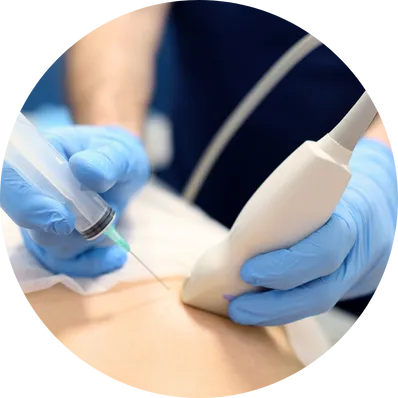
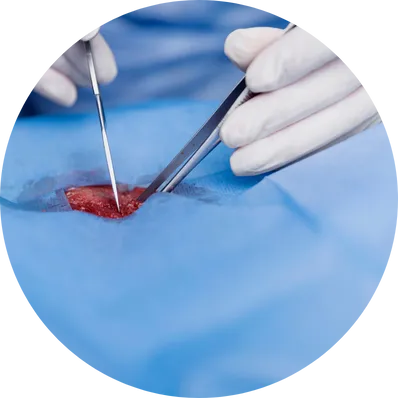
Percutaneous surgery is a minimally invasive surgical technique done through a small puncture or incision in the skin to reach internal organs, bones, or vessels. Using specialized needles, wires, catheters, or endoscopes, surgeons can perform procedures for kidney stones, spine issues, fractures, vascular blockages, and tumors. This approach ensures less pain, quicker recovery, and minimal scarring compared to open surgery.
Symptoms
.webp)

Percutaneous Surgery Causes



Types of Percutaneous Surgery
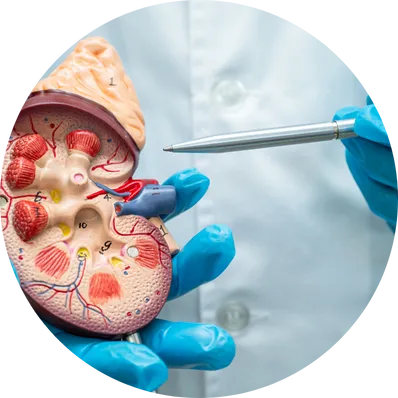
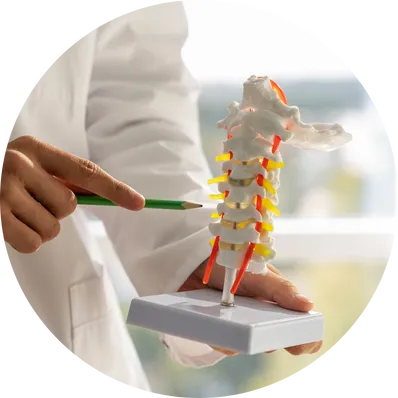
Kyphoplasty


Diagnosis (Before Surgery)



Percutaneous Surgery Treatment
Used for removing large or complex kidney stones.
• A small incision (about 1 cm) is made in the back
• A nephroscope is inserted into the kidney
• Stones are fragmented and removed
• Minimally invasive alternative to open surgery with faster recovery
Used for painful vertebral compression fractures.
• A needle is inserted through the skin into the fractured vertebra
• Bone cement is injected to stabilize the bone
• Kyphoplasty involves balloon inflation before cement injection to restore height
Treatment for herniated discs causing nerve pain.
• A small needle incision is made
• An endoscope is inserted to remove herniated disc material
• Reduces nerve compression with minimal tissue damage
Used to drain abscesses or fluid collections in the abdomen, chest, or other areas.
• A catheter or needle is placed percutaneously under imaging guidance
• Fluid is drained to relieve infection or pressure
For tumors in liver, kidney, or bone.
• Needles deliver heat (radiofrequency or microwave) or cold (cryoablation) to destroytumor tissue
• Minimally invasive alternative to open tumor removal
After percutaneous surgery, patients are advised to:
• Keep the small incision clean and dry
• Avoid heavy lifting or strenuous activity for a few days
• Monitor for signs of infection (redness, swelling, fever)
• Follow up for imaging and clinical assessment
Why You Should Not Delay
Delaying percutaneous treatment may worsen kidney damage, spinal pain, fractures, or vascular blockages. Early intervention ensures safer outcomes and faster recovery with fewer complications.

Why Us?
With Healic you get Trustworthy Care, Affordable Prices and Parivaar Jaisi Dekhbhal.
6 Hospitals; 4 Under Construction
Patients Served Last Year
Expert Doctors & Surgeons
Expert Care Team

Real Patient Stories
Frequently Asked Questions
Percutaneous surgery is a minimally invasive procedure performed through a tiny skin puncture to treat conditions in the kidneys, spine, heart, bones, or soft tissues. Yes, Healic offers a wide range of percutaneous surgeries using advanced imaging and precision tools.
Healic may suggest percutaneous surgery for kidney stones, spinal disc problems, vertebral fractures, vascular blockages, tumors, cysts, or fractures requiring fixation with minimal access.
Healic performs PCNL for kidney stones, percutaneous spine procedures (vertebroplasty, discectomy), angioplasty and stenting, tumor biopsies or drainage, and percutaneous fracture fixation.
Recovery is generally quick, most patients resume routine activities within 1–2 weeks, with minimal pain, small scars, and shorter hospital stays compared to open surgery.
Possible risks include bleeding, infection, or injury to nearby organs. Healic minimizes these risks through real-time imaging guidance, expert surgeons, sterile techniques, and precise minimally invasive tools.
Don’t worry, our expert team will guide you through diagnosis, treatment options, and recovery. Share your question and we’ll respond quickly.
Get Expert Advice
.svg)
.svg)
.svg)
.svg)