.svg)
Restore Strength with Tendon Repair Surgery
Advanced reconstructive procedures to reconnect torn tendons, relieve pain, and bring back mobility and flexibility.





.svg)
What is Tendon Repair Surgery?
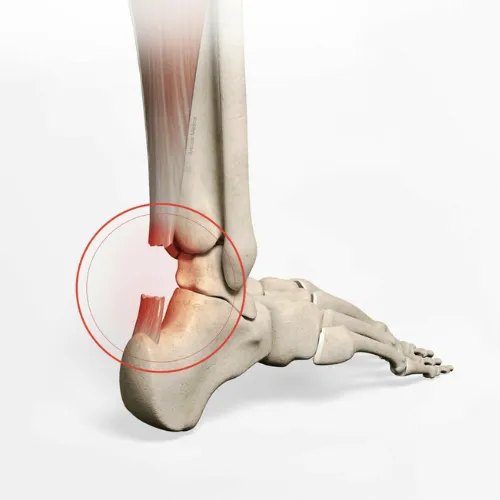
Tendon repair surgery is a reconstructive procedure performed to restore function when a tendon (the tissue that connects muscle to bone) is torn or ruptured. It aims to reconnect the torn ends of the tendon or, in severe cases, graft new tissue to restore movement and strength. It is commonly performed in the hand, wrist, foot, ankle, shoulder, and knee.
Symptoms

.webp)
Causes (Leading to Surgery Need)


.svg)

Types of Tendon Repair

Diagnosis (Before Surgery)




Tendon Repair Treatment (Surgical Approach)
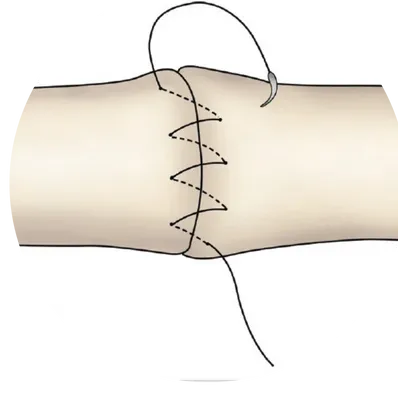
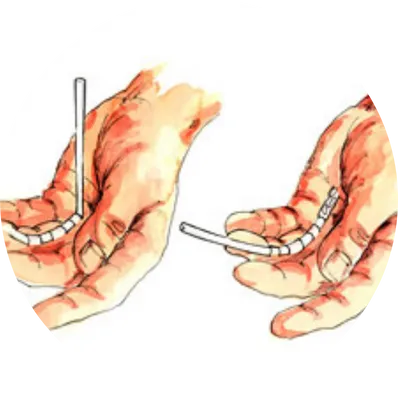
The surgeon makes a precise incision over the injured tendon, identifies the torn ends, and stitches them together using strong sutures. Special repair techniques (core sutures + epitendinous stitches) ensure the tendon heals with maximum strength and smooth gliding.
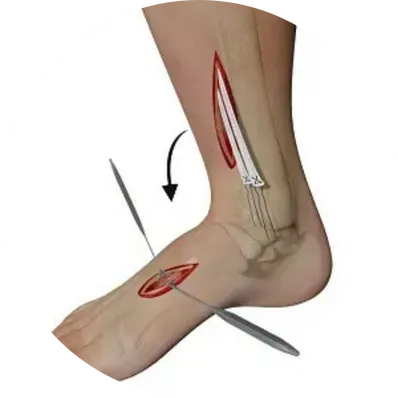
When the tendon ends cannot be directly stitched due to a gap or severe damage, a graft is taken from another tendon in the patient’s body (commonly palmaris longus or plantaris). The graft is used to bridge the gap and restore full tendon length and function.
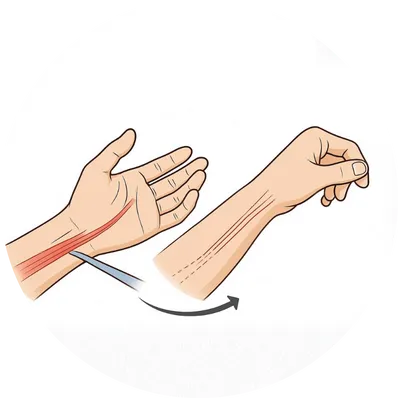
If the original tendon cannot be repaired due to chronic injury or severe degeneration, anothernearby healthy tendon is surgically transferred to take over its function. This technique helpsregain lost movement and strength.
In finger or hand tendon injuries, the surrounding sheath/pulley system may also be damaged. The surgeon repairs or reconstructs these structures to ensure smooth tendon gliding and prevent stiffness or catching during movement.
The surgeon checks tension, tendon alignment, and joint movement during surgery to ensure the repaired tendon is neither too tight nor too loose. Proper tension is crucial for regaining normal range of motion.
After repair, the incision is sutured, and a splint or cast is applied to protect the tendon andmaintain the joint in a safe healing position. Immobilization prevents undue stress on therepair during the early healing phase.
Physiotherapy begins in phased manner with controlled passive and active exercises toprevent stiffness and promote tendon gliding. Full recovery may take 8–12 weeks dependingon the tendon involved and the extent of injury
Why You Should Not Delay
Delaying tendon repair can lead to permanent stiffness, weakness, or loss of function in the affected limb. Early surgery ensures better healing, stronger recovery, and prevents long-term disability.

Why Us?
With Healic you get Trustworthy Care, Affordable Prices and Parivaar Jaisi Dekhbhal.
6 Hospitals; 4 Under Construction
Patients Served Last Year
Expert Doctors & Surgeons
Expert Care Team

Real Patient Stories
Frequently Asked Questions
Tendon repair surgery reconnects torn tendons to restore movement and strength. Yes, Healic offers advanced tendon repair for hand, wrist, shoulder, knee, ankle, and foot injuries.
Healic specialists may suggest surgery if you experience sudden severe pain, loss of movement, a snapping sound at injury, visible deformity, or weakness after a tendon tear.
Under anesthesia, the surgeon stitches the torn tendon ends together. In complex injuries, Healic may use tendon grafts or transfers to restore full function.
The area is immobilized for 3–6 weeks, followed by physiotherapy. Light activities resume in 6–8 weeks, and full recovery typically takes 3–6 months with Healic’s rehab support.
Risks include stiffness, scar tissue, infection, or re-rupture. With skilled surgeons and structured physiotherapy at Healic, long-term recovery and strength are greatly improved.
Don’t worry, our expert team will guide you through diagnosis, treatment options, and recovery. Share your question and we’ll respond quickly.
Get Expert Advice
.svg)
.svg)
.svg)
.svg)