.svg)
Advanced Wound Debridement for Faster Healing
Safe removal of dead or infected tissue to promote recovery, prevent infection, and prepare wounds for grafting or closure.





What is Wound Debridement?
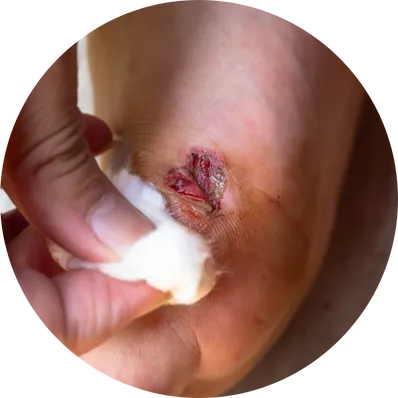
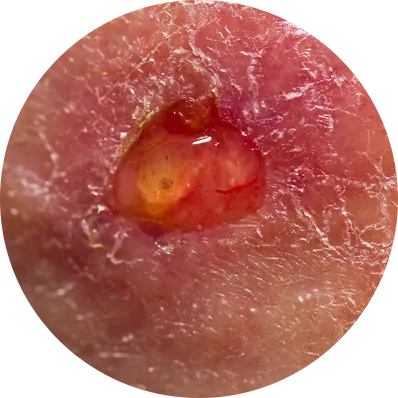
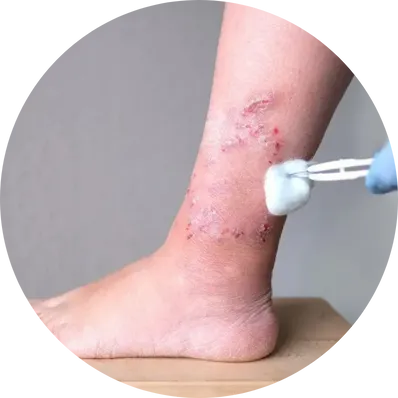
Wound debridement is a medical or surgical procedure to remove dead, damaged, or infected tissue from a wound. The goal is to promote healing, reduce infection risk, and prepare the wound bed for recovery or further treatment (such as grafting). It is commonly used in chronic wounds, burns, ulcers, traumatic injuries, and surgical wounds that fail to heal.

Symptoms / Indications for Debridement
%20tissue.webp)

Causes (Why Debridement is Needed)


Types of Wound Debridement
.webp)
Diagnosis (Before Debridement)




Wound Debridement Treatment (Procedure)
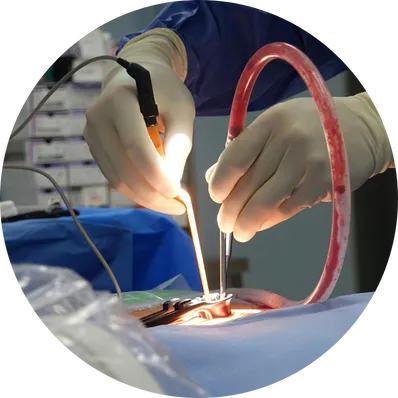
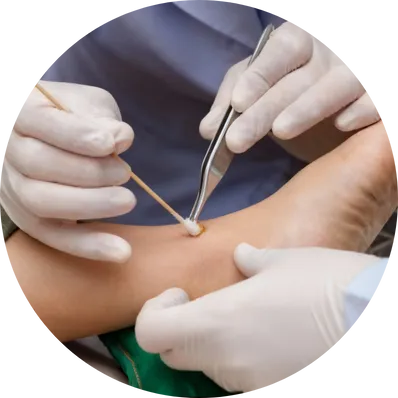
The surgeon uses sterile instruments such as scalpels, scissors, or curettes to preciselyremove all dead, infected, or contaminated tissue. This method is fast, highly effective,and preferred when infection is spreading or when the wound has deep necrosis.
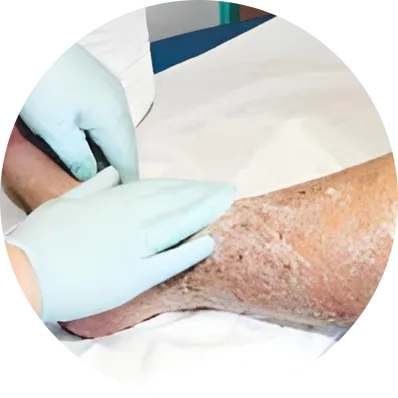
This includes methods like wet-to-dry dressings, wound irrigation, or hydrotherapy.The dressing absorbs dead tissue and is removed once dry, pulling necrotic materialaway. It is useful for moderate debris but may require multiple sessions.
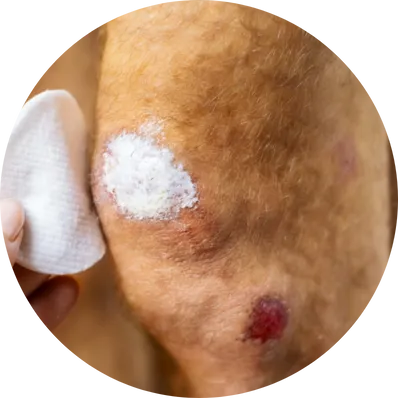
Special prescription ointments containing biological enzymes are applied to dissolvenecrotic tissue selectively. This is ideal for patients who cannot undergo surgery and isgentle on healthy tissues.
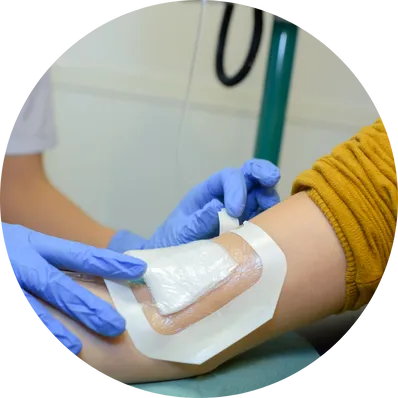
Moist wound dressings—such as hydrogel or hydrocolloid—are applied to stimulate thebody’s natural healing enzymes. This technique is painless and best for minor tomoderate slough, commonly used in chronic wounds.
Sterile medical-grade larvae are used to eat dead tissue while leaving healthy tissueintact. It is effective for complex or infected wounds, especially when other methods fail.
The wound is flushed with saline or antiseptic solutions to reduce bacterial load.Antibiotics may be prescribed if there is a severe infection, redness, swelling, or pus.
After debridement, appropriate dressings are applied to maintain moisture balance,protect the wound, and promote healthy tissue formation. In large wounds, secondaryprocedures such as skin grafting may be considered
Why You Should Not Delay
Delaying wound debridement may worsen infection, slow healing, and increase the risk of severe complications like sepsis or bone infection (osteomyelitis). Early treatment ensures faster healing and prevents long-term disability.

Why Us?
With Healic you get Trustworthy Care, Affordable Prices and Parivaar Jaisi Dekhbhal.
6 Hospitals; 4 Under Construction
Patients Served Last Year
Expert Doctors & Surgeons
Expert Care Team

Real Patient Stories
Frequently Asked Questions
Wound debridement removes dead, damaged, or infected tissue to help a wound heal faster. Yes, Healic provides surgical and non-surgical debridement for chronic, infected, or non-healing wounds.
Healic may recommend debridement for non-healing wounds, diabetic foot ulcers, infected wounds, pressure sores, burns, or wounds with blackened or dead tissue.
Depending on the wound, Healic specialists may use surgical tools, dressings, enzymes, or mechanical methods to remove dead tissue and clean the wound safely.
Healing time depends on the wound’s size and cause. Small wounds may heal in weeks, while chronic wounds may take longer. Healic provides regular dressing care and follow-ups for proper healing.
Risks include bleeding, pain, infection, or delayed healing. At Healic, trained wound care experts and sterile techniques ensure safe treatment and improved recovery outcomes.
Don’t worry, our expert team will guide you through diagnosis, treatment options, and recovery. Share your question and we’ll respond quickly.
Get Expert Advice
.svg)
.svg)
.svg)
.svg)