.svg)
Restoring Health with Bladder Removal Surgery
Safe and effective surgery for bladder cancer and complex bladder conditions. Options include partial or complete bladder removal with advanced urinary reconstruction.






What is Cystectomy?
Cystectomy is a major surgical procedure to remove part (partial cystectomy) or the entire bladder (radical cystectomy). It is most often performed for muscle-invasive bladder cancer or high-risk recurrent bladder tumors. In men, it may include removal of the prostate and seminal vesicles; in women, the uterus, ovaries, and part of the vagina may also be removed. A new way for urine storage and drainage (urinary diversion) is created after surgery.
Symptoms
Causes (Leading to Need for Cystectomy)



Types of Cystectomy
Diagnosis (Before Surgery)





Cystectomy Treatment (Surgical Approach)
Removal of the entire bladder along with surrounding organs:
• In men: prostate & seminal vesicles
• In women: uterus, ovaries & part of vaginal wall
Recommended for muscle-invasive or high-grade bladder cancer.
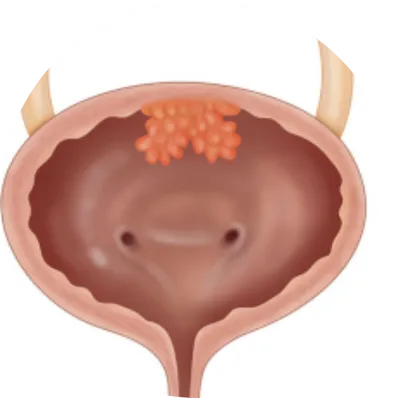
Only the diseased portion of the bladder is removed. Suitable for selected patients with limited, localized tumors.
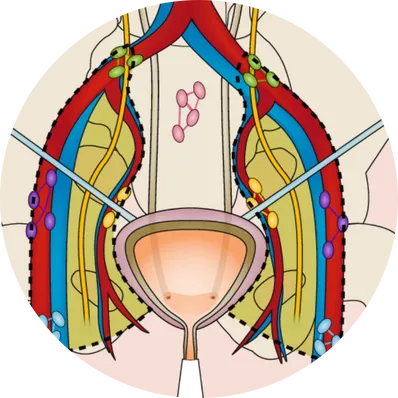
Lymph nodes in the pelvic region are removed to check cancer spread and improve outcomes.
Since the bladder is removed, a new way of storing and passing urine is created:
• Ileal Conduit: A stoma with an external urine bag.
• Neobladder Reconstruction: A new bladder is created from intestine, allowing natural urination.
• Continent Reservoir: Internal pouch drained through a catheter.
Minimally invasive approach offering less blood loss, smaller incisions, and faster recovery.
Why You Should Not Delay
Delaying cystectomy in cases of invasive bladder cancer or recurrent tumors can allow the cancer to spread beyond the bladder, making treatment more complex and lowering survival rates. Early surgery improves long-term outcomes and offers better quality of life.

Why Us?
With Healic you get Trustworthy Care, Affordable Prices and Parivaar Jaisi Dekhbhal.
6 Hospitals; 4 Under Construction
Patients Served Last Year
Expert Doctors & Surgeons
Expert Care Team

Real Patient Stories
Frequently Asked Questions
Cystectomy is a major surgery to remove part or all of the bladder, usually for muscle-invasive or high-risk bladder cancer. Yes, Healic offers partial and radical cystectomy with advanced surgical techniques.
Healic specialists may advise cystectomy for muscle-invasive bladder cancer, recurrent high-grade tumors, large or multiple tumors, or bladder dysfunction that cannot be treated with other procedures.
Healic surgeons perform open, laparoscopic, or robotic-assisted cystectomy. After bladder removal, a urinary diversion such as an ileal conduit, continent pouch, or neobladder is created for urine drainage.
Hospital stay is usually 7–10 days, and full recovery takes 6–8 weeks. Healic provides continuous post-operative support for stoma care, neobladder training, and lifestyle adjustments.
Risks include infection, bleeding, organ injury, urinary leakage, and long-term changes in sexual or urinary function. At Healic, experienced urologic cancer surgeons and advanced monitoring help ensure safe outcomes.
Don’t worry, our expert team will guide you through diagnosis, treatment options, and recovery. Share your question and we’ll respond quickly.
Get Expert Advice
.svg)
.svg)
.svg)
.svg)